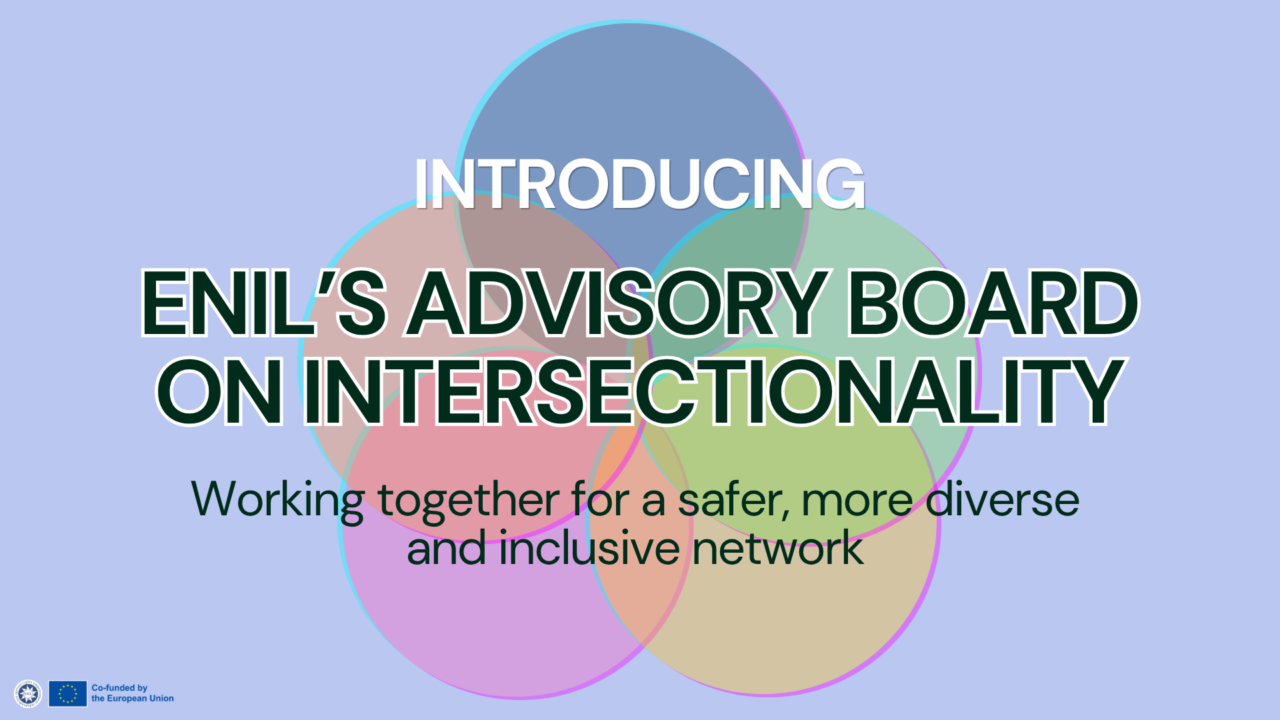
A new group of intersectionality experts will help ENIL develop its first action plan on intersectionality.
Last June, the European Network on Independent Living (ENIL) launched a call for members of its new Advisory Board on Intersectionality. The board is now composed and brings together experts in intersectionality from diverse backgrounds and experiences.
Particular attention was given to perspectives on challenges that the European independent living movement is less used to addressing, such as racism, migration and queerness, as well as to a cross-disability perspective.
The Advisory Board has now started its work on the action plan. The work is taking place between now and the end of December 2026.
What will the Advisory Board do?
Members will work with ENIL to create an action plan for intersectionality within the organisation. They will contribute their expertise and lived experiences, review drafts and provide feedback to help ENIL better reflect intersectional approaches in its work.
How will the process work?
Between now and the end of December 2026, the Advisory Board will work with ENIL to produce an action plan for intersectionality within the organisation.
Members will agree on ways of working together, including accessibility, clear task division and respect for everyone’s personal needs. They will meet online to discuss and shape the plan, share their expertise and lived experiences, and discuss how ENIL can better reflect intersectional approaches in its work. They will also review drafts of the action plan and give feedback, including in writing between meetings.
What will be produced
- ENIL’s action plan for intersectionality, developed collectively with the Advisory Board and informed by members’ feedback
- A network of changemakers with diverse backgrounds and experiences, which members can continue to draw on
The process will be accessible, inclusive, collaborative and respectful, with a shared commitment to meaningful participation. Members will work in a safe space, where nobody is expected to share more than they feel comfortable with.
A network of changemakers
Through this initiative, Advisory Board members will also have the opportunity to build a powerful network of changemakers with diverse backgrounds and experiences. They will contribute to an open and meaningful discussion on how ENIL can better reflect intersectional approaches in its work.
ENIL warmly welcomes all members of the Advisory Board and looks forward to working together.
Meet the Advisory Board members
Carmen Yau
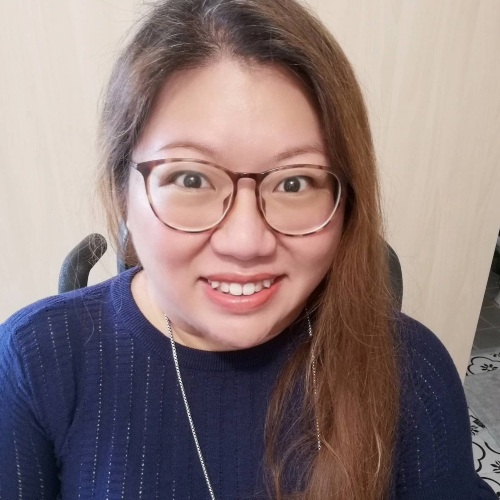
Dr Carmen Yau is a disabled scholar-activist, researcher and disability rights advocate. Her work focuses on intersectionality, disability justice and independent living. She understands disability as a political, relational and cultural identity. Her research examines how disability intersects with gender, sexuality, race, migration, health, care and citizenship. Her work addresses independent living, violence against disabled women, health inequalities and political participation. Carmen connects lived experience, research and activism to challenge disabling structures and influence policy. She advocates for disabled people’s collective voice, self-determination and the right to live independently, with dignity, choice and control.
Ferlin Yücel
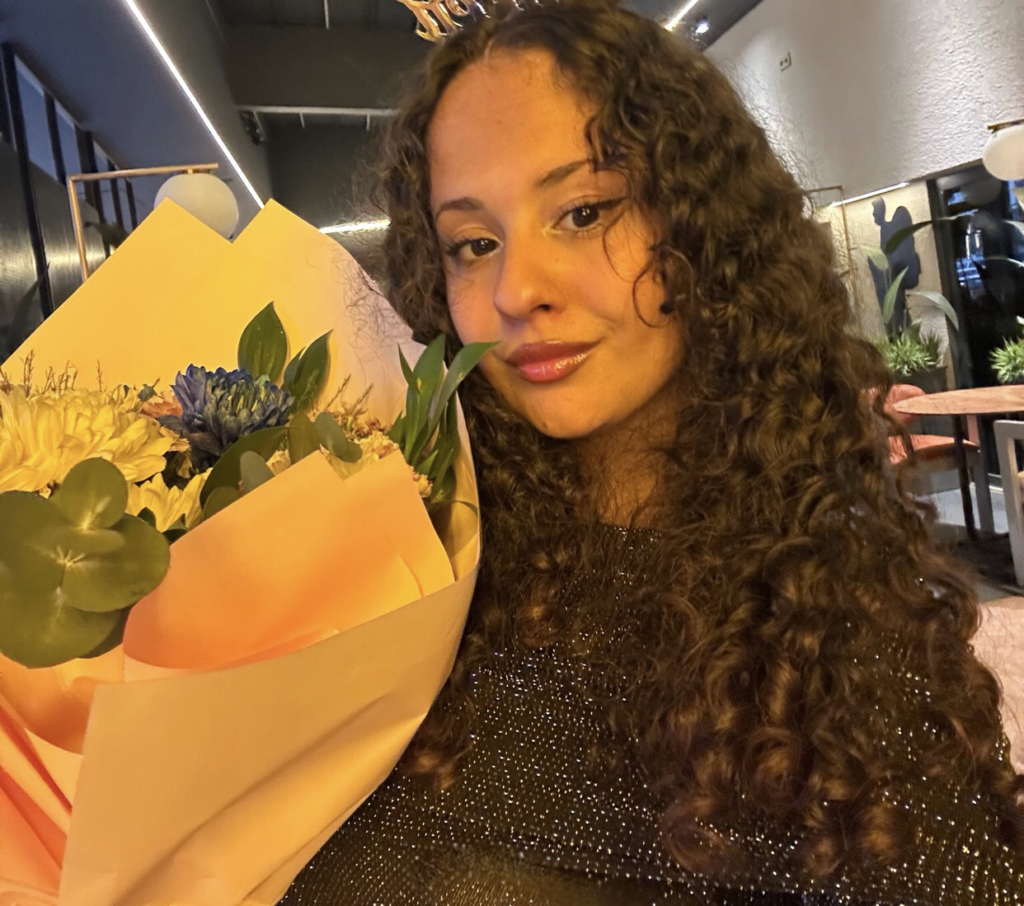
Ferlin Yücel (she/her) was born in Türkiye and is currently pursuing a master’s degree in forensic sciences. She is particularly interested in neurodivergent activism in academia and rural communities. Over the past seven years, she has been involved in various international youth and human rights organisations and study sessions, including UN Women Türkiye, IGLYO, and the Council of Europe.
Ferlin is honoured to be part of the Intersectionality Advisory Board and looks forward to contributing to the Board’s work while learning from the diverse experiences and perspectives of its members.
Giulia Dalmonte
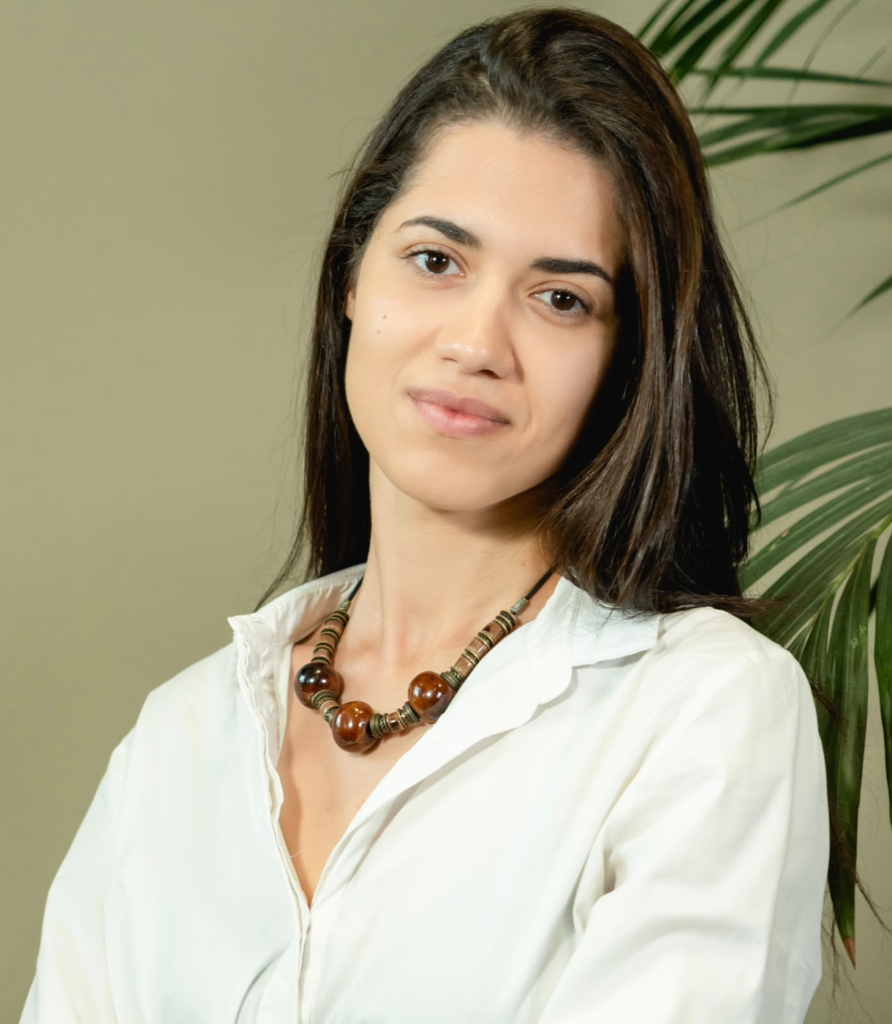
Giulia Dalmonte is a social researcher and activist working at the intersection of disability, gender and migration. She is a Researcher at the Commission for the Rights of Persons with Disabilities (CRPD) in Malta, where she monitors the implementation of the UN Convention on the Rights of Persons with Disabilities and coordinates the Women with Disabilities Committee. She represents Malta on Equinet’s Disability Cluster and sits on the board of Jobsplus, Malta’s public employment service. Her research includes a study with Jesuit Refugee Service Malta on asylum-seeking and refugee women, and fieldwork with women farmers in the Dominican Republic. With a background in cultural anthropology and an Italian-Dominican heritage, she brings an intersectional lens to her work on how disability, gender, migration status and race shape access to rights.
Isaac Samuels OBE
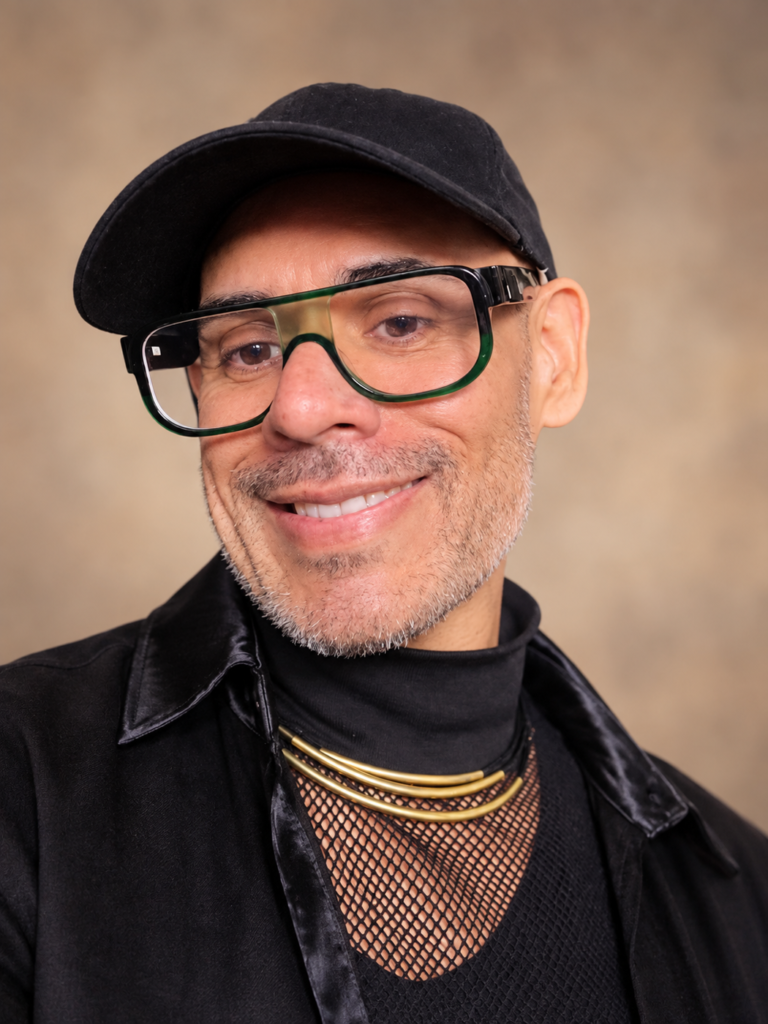
Isaac Samuels OBE (they/them) is a queer, racialised, non-binary disabled person based in the United Kingdom, whose work is rooted in lived experience, disability rights, mental health, anti-racism and co-production. They bring experience of navigating systems and spaces that were rarely designed with people like them in mind, alongside their work to change those systems. Isaac is particularly interested in how racism, ableism and other forms of exclusion overlap, and in making sure people affected by decisions have real power in shaping them.
Kristína Janačková
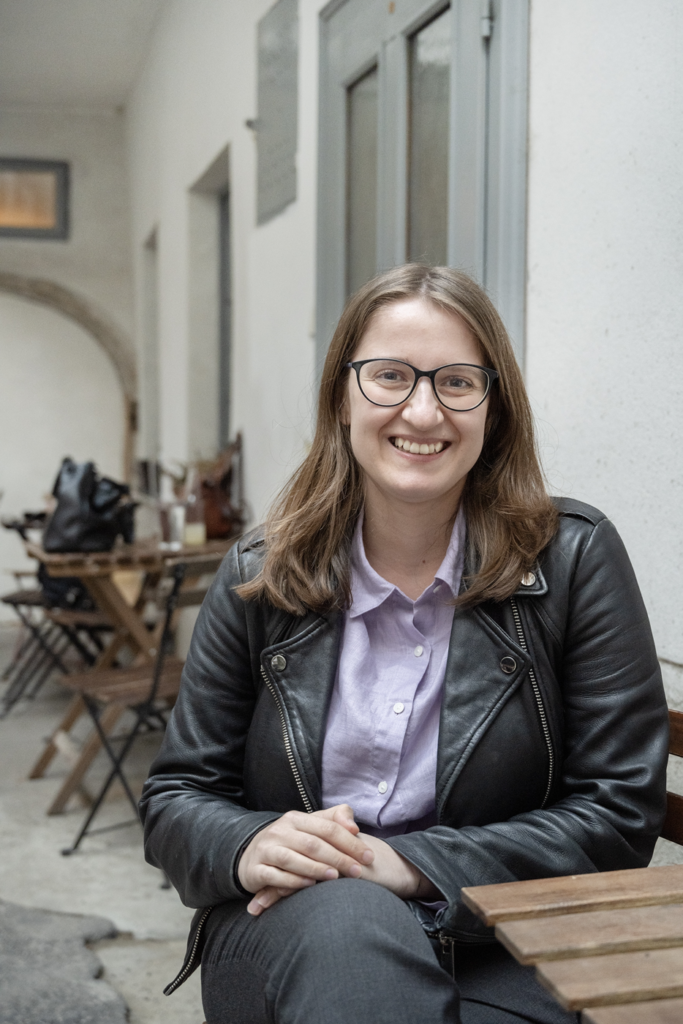
Kristína Janačková (she/her) is an emerging researcher, writer, and mental health activist. She studied Media Studies (BA) and Literary and Cultural Theory (MA). At the moment, she is a researcher at the International Center for Ethics in the Sciences and Humanities at the University of Tübingen, Germany, working on a project about inclusive disaster management.
Following her lived experience of psychosis, Janačková redirected her academic focus from environmental humanities toward critical disability studies and medical humanities, with a particular interest in psychosocial disabilities and neurodivergence.
In addition to her research, she actively advocates for enhanced support systems for students with psychosis in higher education and serves as a Vice President of Management for global nonprofit organisation Students With Psychosis. She has spoken on psychosis in both academic and public forums across Europe and the United States.
Lavinia Rotundi
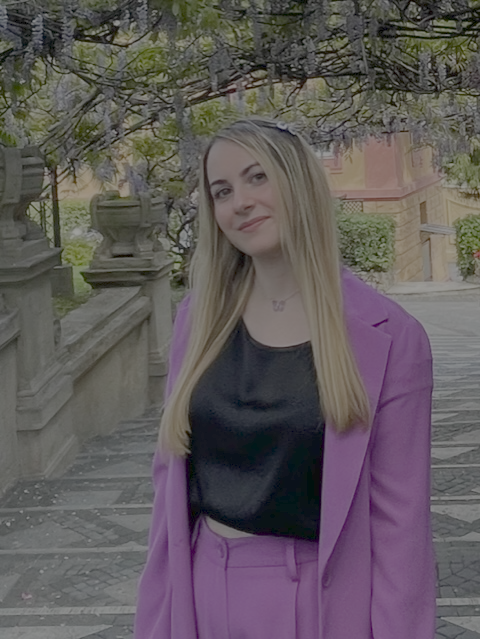
Lavinia Rotundi (she/her) is an Italian policy and advocacy professional based in Brussels, Belgium, working in the European disability movement on accessibility and equal participation. She holds a Master’s in International Relations and an Advanced Master in Gender Studies, with research focusing on online gender-based violence, digital access and the impact of AI on gender equality. Alongside her professional work, she has been active for ten years as an advocate and volunteer in youth-led gender equality and the LGBTQIA+ community. As a neurodivergent woman, she has a particular interest in intersectionality, especially how gender norms shape the experiences of autistic and ADHD women, as well as women with disabilities, LGBTQIA+ rights and digital safety.
Marie-Gisèle Onana
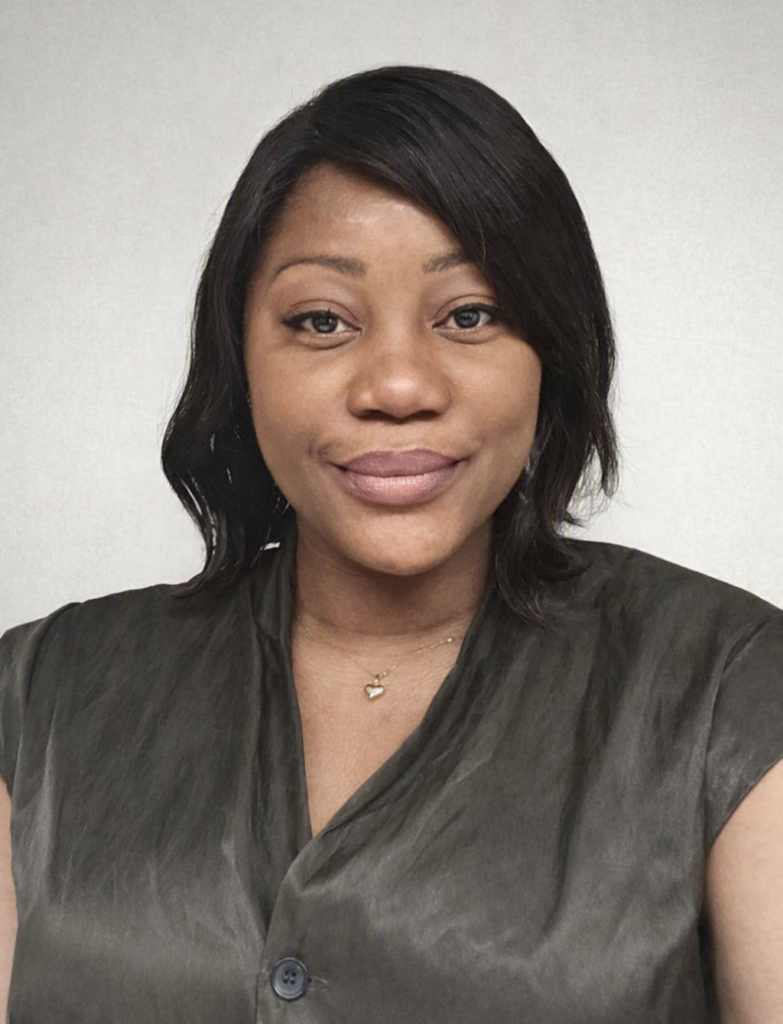
Marie-Gisèle Onana (she/her) is a communication strategist and inclusion advocate from Cameroon, currently based in Brussels-Belgium. She holds a Master’s degree in Strategic Communication and Digital Culture from UCLouvain Saint-Louis Bruxelles and has professional experience spanning communication, cultural projects, digital initiatives, and social impact work.
As a Black woman with a disability and a migrant background, she brings a lived and intersectional understanding of how ableism, gender, racism and migration can intersect to shape access to rights, autonomy, participation, and representation. Her personal trajectory has given her first-hand insight into the barriers faced by people navigating multiple and overlapping forms of discrimination, as well as the gaps that can emerge when institutions, workplaces, and public spaces fail to account for diverse lived realities.
She is committed to advancing accessibility, meaningful representation, and inclusive approaches that move beyond one-dimensional understandings of discrimination. Through both her professional experience and lived perspective, she brings to ENIL’s Advisory Board a grounded, systemic, and experience-based lens on intersectionality and on the realities of disabled people facing multiple forms of discrimination.
Michelle Daley
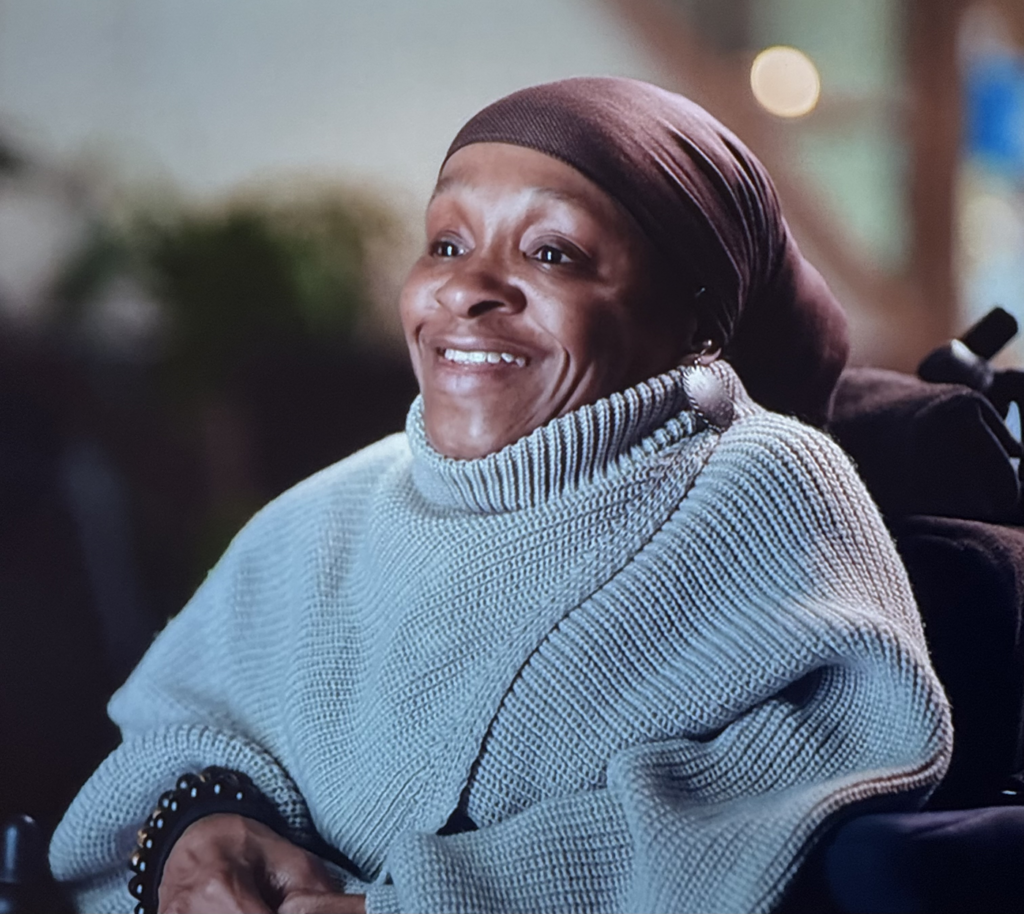
Michelle Daley (she/her) is a Black Disabled Woman and Director of the Alliance for Inclusive Education (ALLFIE), the UK’s only Disabled People’s Organisation dedicated to securing Inclusive Education as a human right. She is also Chair of Independent Living Alternative (ILA), a Personal Assistant service, and works across wider social justice movements.
Her work is rooted in intersectionality and in challenging racism, ableism, sexism, class inequality and other injustices affecting Disabled people. She initiated ALLFIE’s Disabled Black Lives Matter group to centre the experiences, histories and work of Black/Global Majority Disabled people.
Her work challenges systems that divide and marginalise us. She centres the lived experiences of Disabled people most affected by injustice so they can shape the decisions and policies that affect our lives. Audre Lorde’s words, “we do not live single issue lives”, continue to shape her approach to social justice.
Ralu Baciu
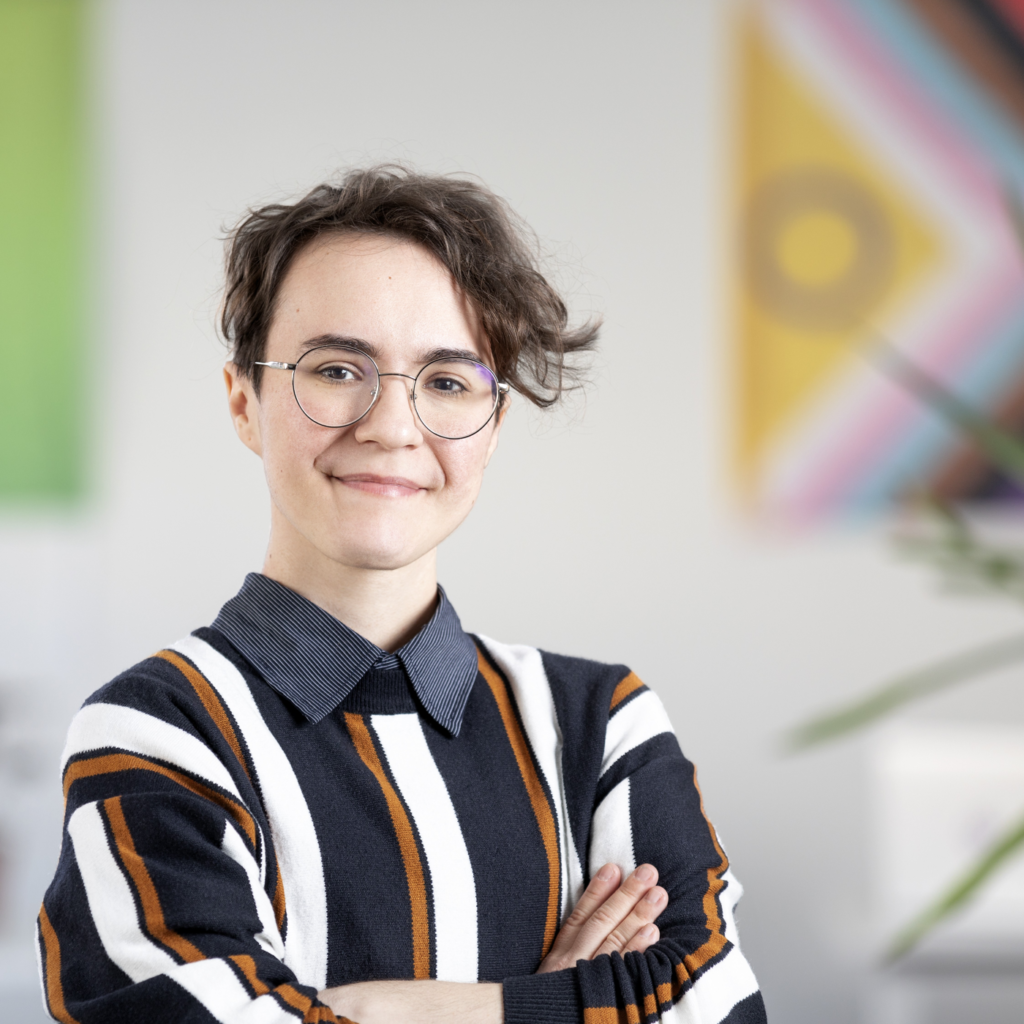
Ralu Baciu (he/they) – who also goes by Robin – is a queer-disabled activist, community organiser, trainer and facilitator from Romania, Cluj-Napoca city. He is also the co-founder of TransLights, an informal group which aims to strengthen and empower the local Trans Community and all its intersections, particularly disability, by creating safe community spaces and providing support.
Ever since their ADHD diagnosis in 2020, Ralu has been working within both the local Romanian queer neurodivergent communities and at an international level to create safe spaces, advocate on the realities of different types of neurodivergent identities and disabilities, as well as providing peer support and assistance in accessing inclusive quality medical care. His workshops on ADHD and Autism in queer communities, first of this kind in Romania, provided community support and accurate perspectives on ADHD and how it intersects with the LGBTQIA community.
Ralu is passionate about advocating for and giving voice to queer disabled folks, mentoring young queer disabled people to become a new generation of leaders, ensuring accessibility and intersectionality as a priority in capacity building programs and within professional working spaces, as well as advocating for a better general education on neurodivergence, disability and queer identities.
Sara Rocha
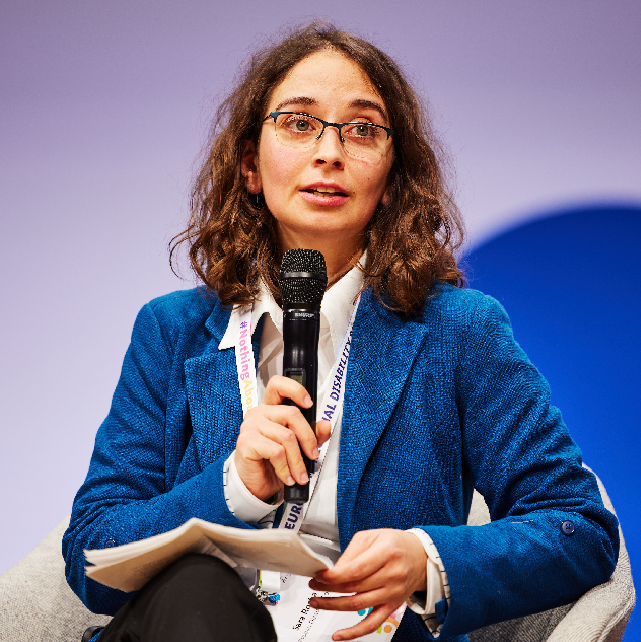
Sara Rocha is a Portuguese autistic and disabled advocate working as a Data Manager for the Public Health and Primary Care department of the University of Cambridge. She is Vice-chair of the Women’s Committee of the European Disability Forum (EDF), Vice-President of the European Council of Autistic People (EUCAP) and co-founder and President of Associação Portuguesa Voz do Autista, the first autistic-led organisation in Portugal. Sara led several projects and consultancies on the intersection of gender and disability, sexual and reproductive rights of women and girls with disabilities and for the criminalisation of forced sterilisation across Europe.
Xavier Deruytter
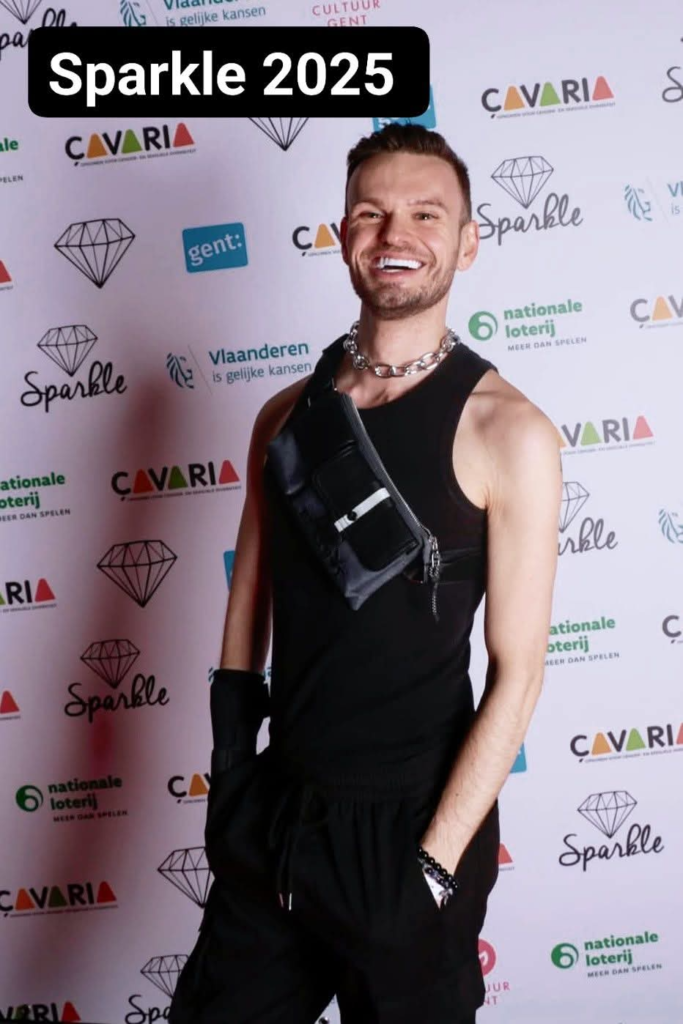
Xavier Deruytter (he/him) works as a policy officer at GRIP, a Flemish human rights organisation of persons with disabilities in Flanders, Belgium. Xavier has a background in Political Science and Social Work.
As a gay man with a disability, his interest in intersectionality is also grounded in his own lived experience. Until March 2026, he served on the board of çavaria, the Flemish advocacy organisation for LGBTI+ people, where his engagement focused specifically on intersectionality. At GRIP, he has also written an internal policy note specifically on intersectionality and its relevance for disability rights and their work as an organisation.