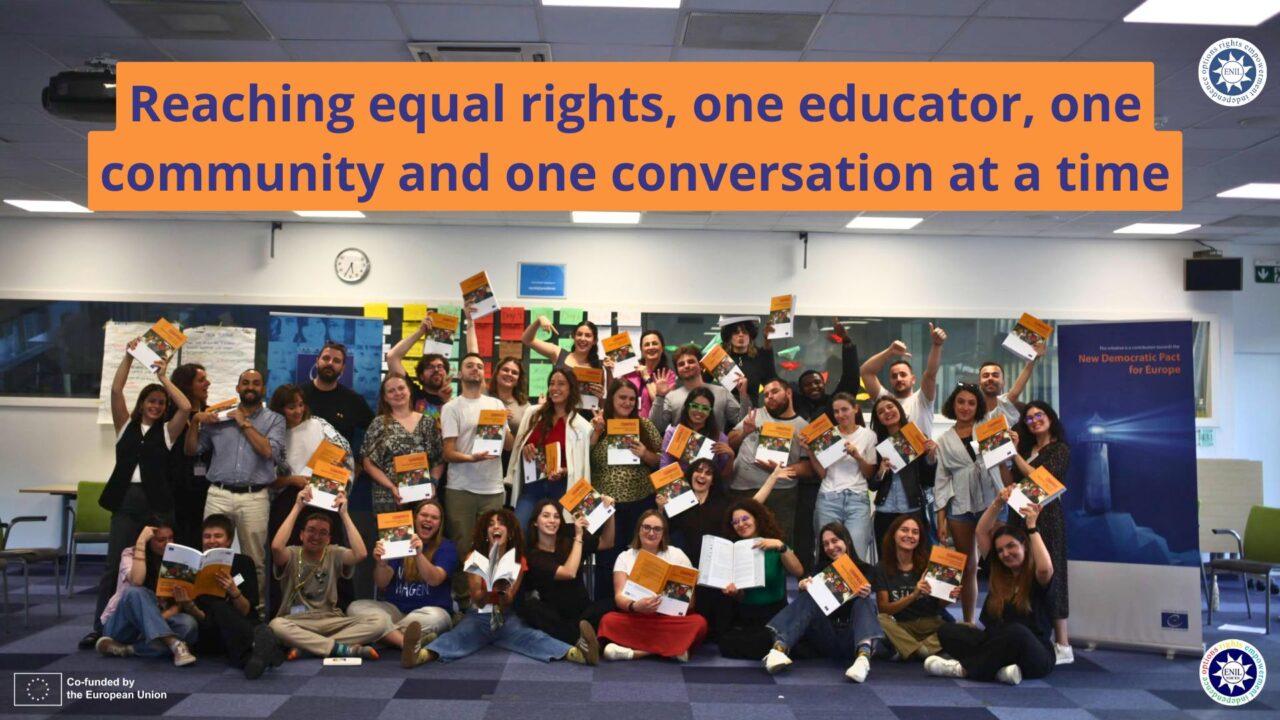
A couple of weeks ago, I had the privilege of taking part in the Council of Europe Compass Training in Human Rights Education in Budapest, organised in cooperation with the United Nations Office of the High Commissioner for Human Rights (OHCHR).
Building the capacity of young people to communicate, teach, advocate for and lead on human rights issues, including disability rights, is critical at a time when states are increasingly adopting hostile approaches towards human rights, fuelled by rising populism, far-right politics and attacks on civil society. In this context, Training of Trainers is about more than developing educational skills. It is about equipping people with the knowledge, confidence and practical tools to challenge discrimination, defend rights and bring Human Rights Education into their own communities.
When human rights are increasingly contested, we cannot take for granted that future generations will understand their importance or know how to protect them. We need to invest in people who can make human rights education accessible, relevant, and meaningful, creating a wider network of people multipliers to carry this work forward.
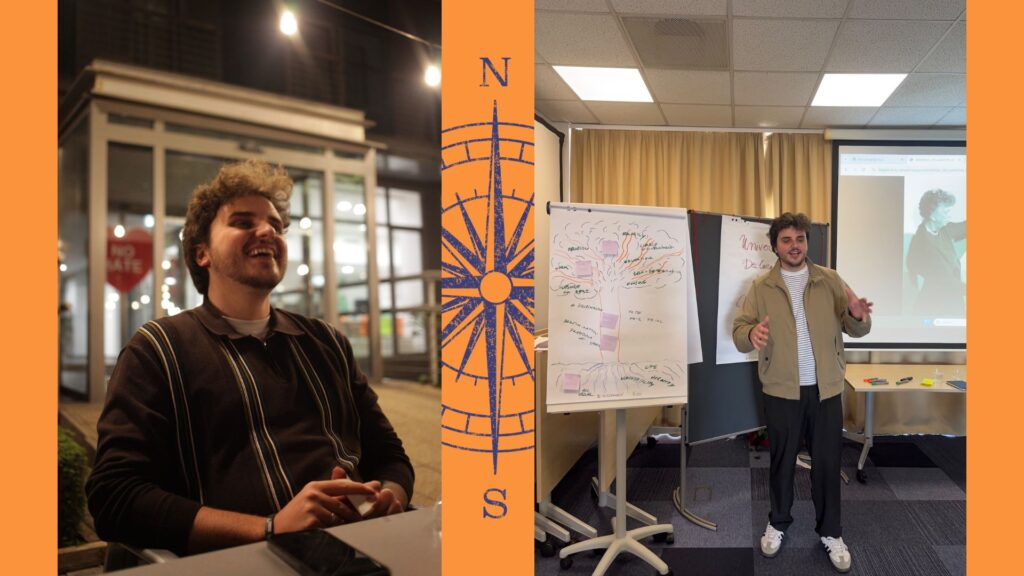
One of the most valuable aspects of my experience in Budapest was the opportunity to learn alongside people working on a wide range of human rights issues across Europe and the Middle East and North Africa (MENA) region.
As someone working on disability rights, I found real value in exchanging perspectives with people whose work focused on issues ranging from homelessness to climate change and conflict resolution. These conversations reminded me that while disabled people and their experiences are too often overlooked in discussions about human rights, social justice and equality, disability rights must not be treated as a separate issue, disconnected from wider human rights struggles.
I had the opportunity not only to learn from others, but also to encourage them to consider how disability rights intersect with their own areas of work. This reinforced for me the importance of connecting different human rights issues and stakeholders, and recognising that disability rights have a place in conversations across every sector of society.
One of the greatest strengths of a Training of Trainers is its potential to multiply knowledge and impact. Participants can take what they have learned into their own organisations, communities and networks, reaching people who might otherwise never engage with human rights education. Just as importantly, they can bring new perspectives into those spaces, helping to challenge assumptions and build stronger connections between movements.
At a time when human rights defenders and civil society organisations face increasing pressure, investing in people who can carry human rights education forward is particularly important.
Training of Trainers cannot reverse these complex political challenges alone, but it can strengthen the knowledge, relationships, and collective capacity needed to respond to them.
I left Budapest with new perspectives, valuable connections and a renewed commitment to human rights education. For me, advancing disability rights means not only strengthening the disability rights movement, but also ensuring that disability rights and independent living are recognised as fundamental to the wider human rights movement.
Human rights education can help make that possible, one educator, one community and one conversation at a time.
Written by Luke McLaughlin,
ENIL Youth Board member, ENIL representative to the EDF Youth Committee