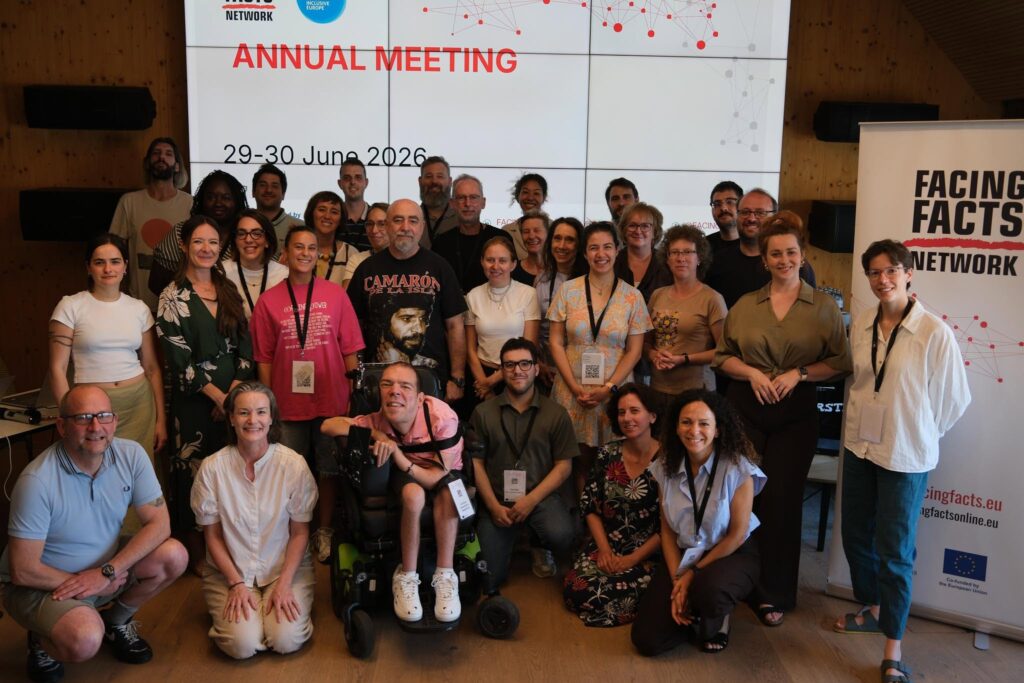
At the end of June, ENIL took part in the Facing Facts Network Annual Meeting in Vienna, Austria, joining civil society organisations, public authorities and experts from across Europe to exchange knowledge and strengthen cooperation in tackling hate crime and hate speech. While Vienna experienced unusually high temperatures those days, we remained engaged in a programme full of discussions, learning and networking.
The meeting brought together members of the Facing Facts Network, to reflect on current challenges, share national experiences and discuss future priorities for the Network. Key topics included online hate speech, the implementation of the Digital Services Act (DSA), support for victims of hate crime, and the resilience of civil society organisations. We also heard about Network’s achievements, which expanded its memberships to 41 members across 20 countries, produced research, delivered two online cohorts, and strengthened its policy impact, among other things.
A particular highlight of the first day was a study visit to RTR KommAustria, Austria’s Digital Services Coordinator. Participants learned about Austria’s implementation of the DSA and explored how regulators, trusted flaggers and civil society organisations can work together to tackle illegal online content more effectively. We keep the importance of having structured dialogue between authorities and civil society.
The second day included a session with the European Union Agency for Fundamental Rights (FRA), which explored the current state of civic space across Europe and the challenges faced by civil society organisations. Participants discussed increasing restrictions on civic space, attacks on human rights defenders and the importance of ensuring sustainable support for organisations working to protect fundamental rights.
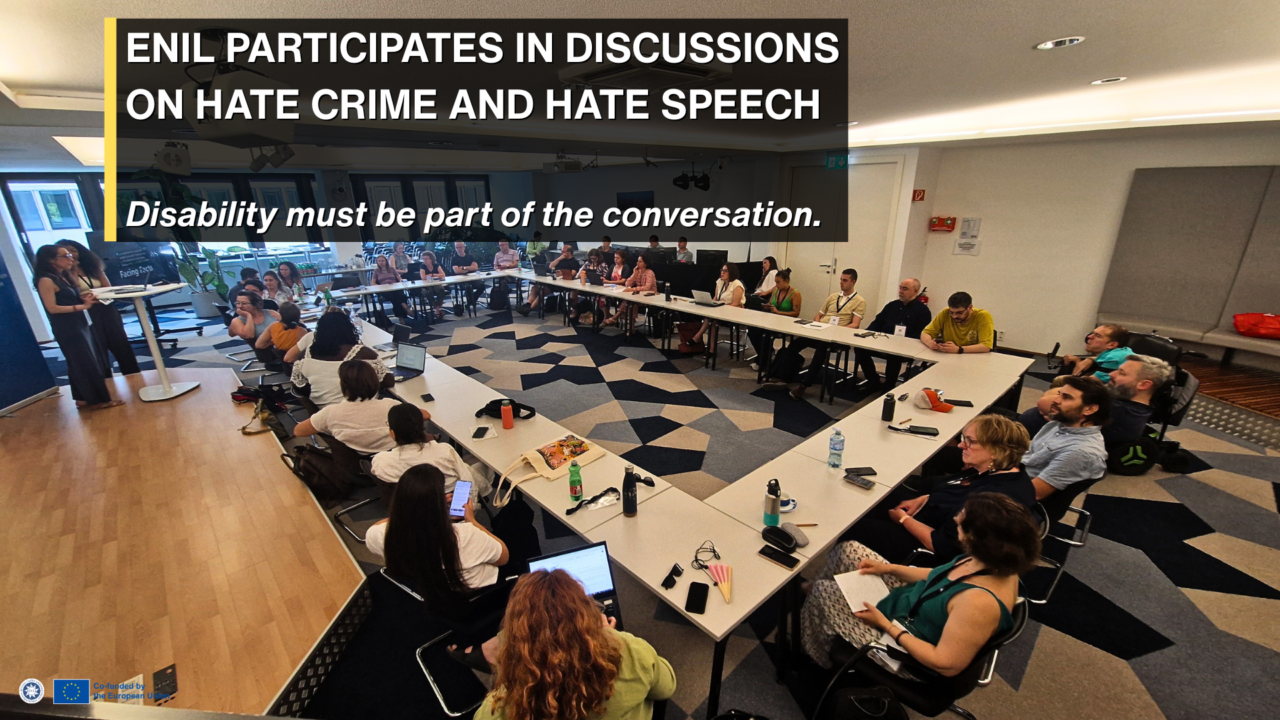
As a member of the Network, ENIL contributed the disability perspective in the discussions and smaller group works. Disabled people are disproportionately affected by hate speech and hate crime (that often get normalised), but our experiences often remain underrepresented in wider conversations on the topic. Participating in the meeting, and the Network in general, was an important opportunity to ensure that disability rights are included in these discussions and to exchange experiences with organisations working in the field.
As usual in such cases, beyond the formal sessions, the meeting offered valuable opportunities to strengthen existing connections and build new ones with some of the other participants. Discussions on resilience, collaboration and inclusion reinforced the importance of working together to respond to hate while ensuring that the voices of those affected remain at the epicenter.
ENIL looks forward to continuing its engagement with the Facing Facts Network and contributing to combating hate crime and hate speech across Europe, while ensuring that the rights and experiences of disabled people remain visible in these conversations.