Across the world, Disabled People’s Organisations (DPOs) play a central role in advancing rights, shaping policy, and supporting independent living. Yet despite their importance, many of these organisations remain invisible, disconnected, or difficult to find.
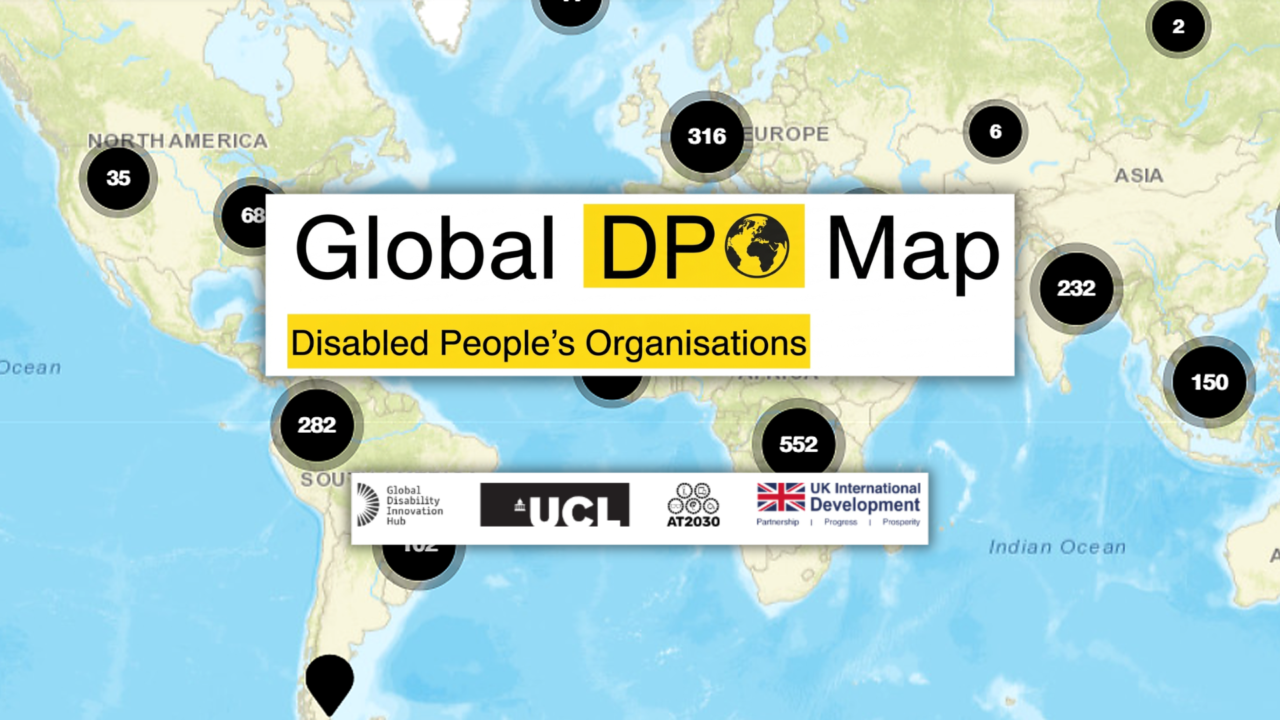
The Global DPO Map (dpomap.com) aims to change that.
A global tool for visibility and connection
The Global DPO Map is an open-source data project designed to map organisations led by disabled people across the world. Its core purpose is simple but powerful: to help DPOs find each other, be found, and connect with partners, researchers, and allies.
By bringing together thousands of organisations in one place, the platform creates a shared space for the disability movement – one that is global, accessible, and constantly evolving.
What are DPOs — and why do they matter?
DPOs are not just organisations working “on disability.”
They are organisations run by disabled people, for disabled people, with a focus on rights, equality, and lived experience.
This distinction is critical.
DPOs:
- represent the voices of disabled people directly
- advocate for systemic change
- promote independent living, participation, and autonomy
- challenge charity-based and medicalised approaches to disability
They are the backbone of the disability rights movement.
What the map offers
The platform provides a global overview of DPOs and OPDs (Organisations of Persons with Disabilities), including:
- Geographic location of organisations
- Areas of work (advocacy, personal assistance, employment, education, etc.)
- Scope (local, national, regional)
- Opportunities to connect or collaborate
Users can explore organisations worldwide, while DPOs themselves can submit their profiles and increase their visibility.
Importantly, the platform balances accessibility with protection — for example, some contact details are restricted to prevent spam and misuse.
Why this matters for the movement
The creation of the Global DPO Map responds to a real gap.
Many DPOs:
- operate with limited resources
- lack online visibility
- struggle to connect internationally
At the same time, researchers, policymakers, and organisations often fail to engage directly with DPOs, despite their central role in the UN CRPD framework.
By mapping the ecosystem, the platform:
- strengthens networking and solidarity
- supports knowledge sharing across countries
- increases access to funding and partnerships
- reinforces the principle: “Nothing about us without us”
A step toward stronger global advocacy
The Global DPO Map is more than a directory.
It is a political tool.
By making DPOs visible, it:
- challenges their marginalisation
- supports their participation in decision-making
- strengthens collective advocacy at European and global level
For movements like Independent Living, where cross-border collaboration is essential, this kind of infrastructure is not optional — it is necessary.
Looking ahead
The platform is still developing, with new organisations being added and features evolving. But its direction is clear:
A connected, visible, and empowered disability movement.
For activists, organisations, and allies, the message is simple:
👉 Get on the map.
👉 Use the map.
👉 Build the movement.